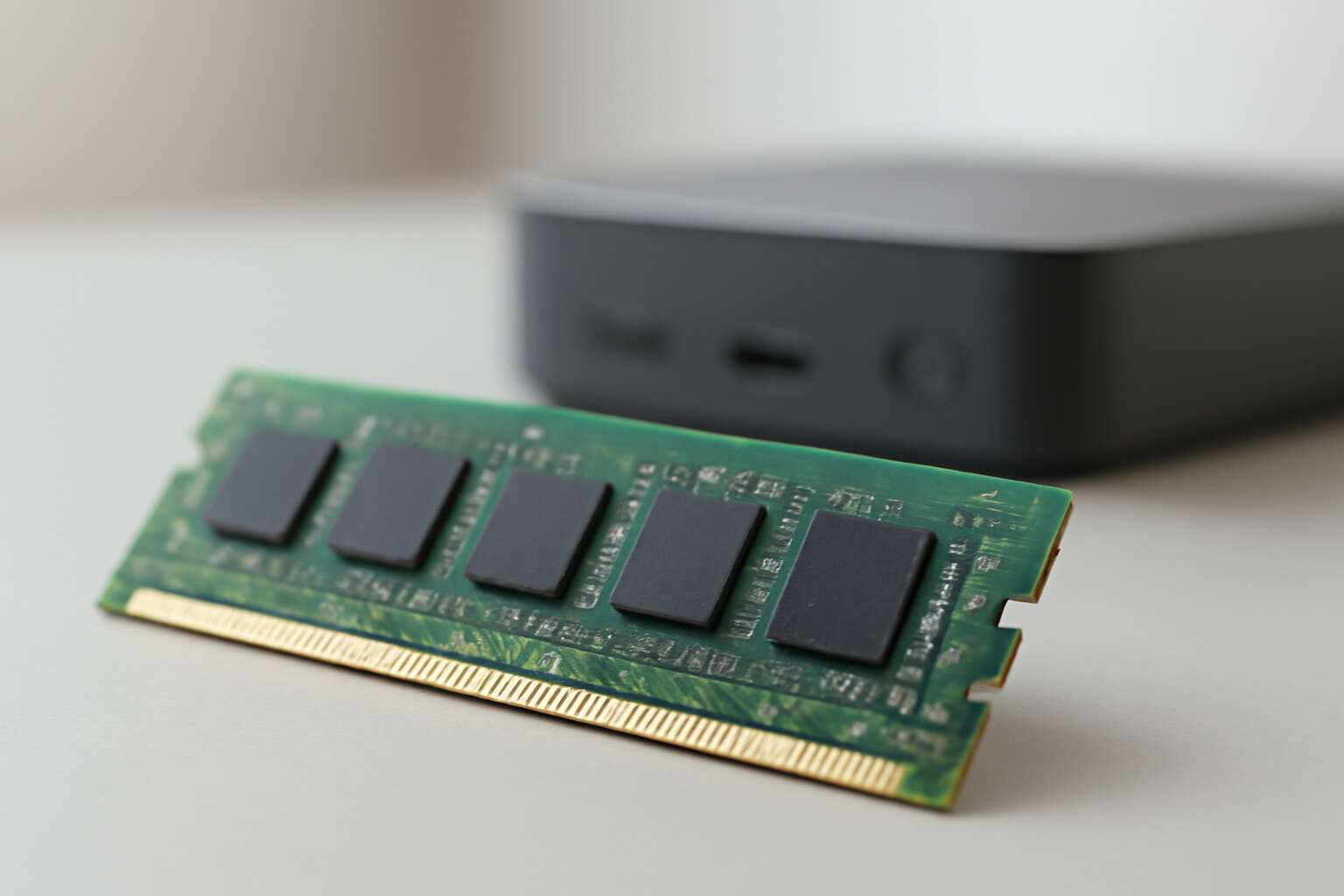
Comprehensive RAM strategies for thin client deployments
Memory sizing and requirements for lightweight desktops
Memory is the quiet bottleneck that slows a whole office! When thin client ram is matched to the workload, users glide through logins and applications rather than waiting on spinning disks. The aim is to align memory footprint with the lightweight desktops powering remote work across South Africa.
Memory sizing for lightweight desktops hinges on session density, display protocol overhead, and the OS image. In practice, teams look at peak usage and plan for bursts, not idle moments, so the footprint stays lean without compromising flow.
- Session density and user concurrency
- Protocol overhead from the display and network
- OS image size and cache efficiency
Beyond sizing, monitor memory behavior in deployments. Adequate headroom for background services and occasional bursts keeps desktops responsive even when networks wobble, a reality many South African offices recognize in daily operations.
That balance underpins reliable lightweight desktops that feel snappy even with constrained bandwidth.
RAM selection and hardware configurations
Across South Africa’s offices, speed is measured in clicks, not patience. Memory sits behind every smooth login, every remote application, quietly driving performance. ‘Memory is the silent accelerator,’ a seasoned IT manager notes, and the impact is felt in every session.
Comprehensive RAM strategies for thin client deployments begin with RAM selection and hardware configurations that respect workload shadows and image layering. In this landscape, thin client ram considerations guide every hardware choice. The aim is to keep the user experience brisk while preserving room for caching, swaps, and the occasional burst of activity.
- Devices with ample RAM slots and 8–16GB per user, where feasible.
- DDR4/DDR4L memory with dual-channel configurations supporting higher throughput.
- Headroom for caching and updates that sustains performance during bursts.
When memory and architecture harmonize, the remote desktop feels almost tactile, a rare clarity amid fluctuating networks.
Optimization techniques and best practices
Across South Africa’s offices, speed is currency; a brisk login is a competitive edge. A recent internal benchmark reveals remote sessions start 37% faster when memory is properly provisioned, not left to chance. Comprehensive RAM strategies for thin client deployments treat thin client ram as the backbone of user experience—quiet, relentless, and surprisingly persuasive. When memory stands firm, the interface feels almost tactile, even on modest networks.
- Image layering that shares a single base and reuses cache
- Smart caching that reserves headroom for bursts without thrashing
- Non-disruptive background maintenance to avoid round-robin slowdowns
These principles keep environments nimble and budgets sane, aligning hardware ambitions with the reality of daily user rhythms.
Vendor comparisons and cost considerations
Across South Africa’s offices, speed is currency; a brisk login is a competitive edge. A recent internal benchmark reveals remote sessions start 37% faster when memory is properly provisioned. Comprehensive RAM strategies for thin client deployments reveal thin client ram as the quiet backbone of the user experience—silent, relentless, and surprisingly persuasive. When memory stands firm, the interface feels tactile, even across modest networks.
- Total cost of ownership over three to five years
- Vendor reliability and ongoing support SLAs
- RAM scalability and upgrade paths for thin client ecosystems
- Compatibility with virtualization tools and management platforms
Balancing performance promises with price tags, buyers seek vendors that deliver consistent memory provisioning without destabilising the broader IT ecology. The poetry of thin client ram lies not in the hardware alone but in how memory breathes between sessions—sharing caches, avoiding thrash, and sustaining a calm, responsive interface even when the network grows busy.



0 Comments